GLP-1 Nutrition Coaching: Protein, Macros and Muscle Retention
Clients on Ozempic, Wegovy, Mounjaro or Zepbound don't need a smaller version of your standard fat-loss plan. They need a plan built around a suppressed appetite, where every bite has to earn its place. Here's the coaching framework: protein targets, calorie floors, meal structure, and the lean-mass problem nobody warns them about.
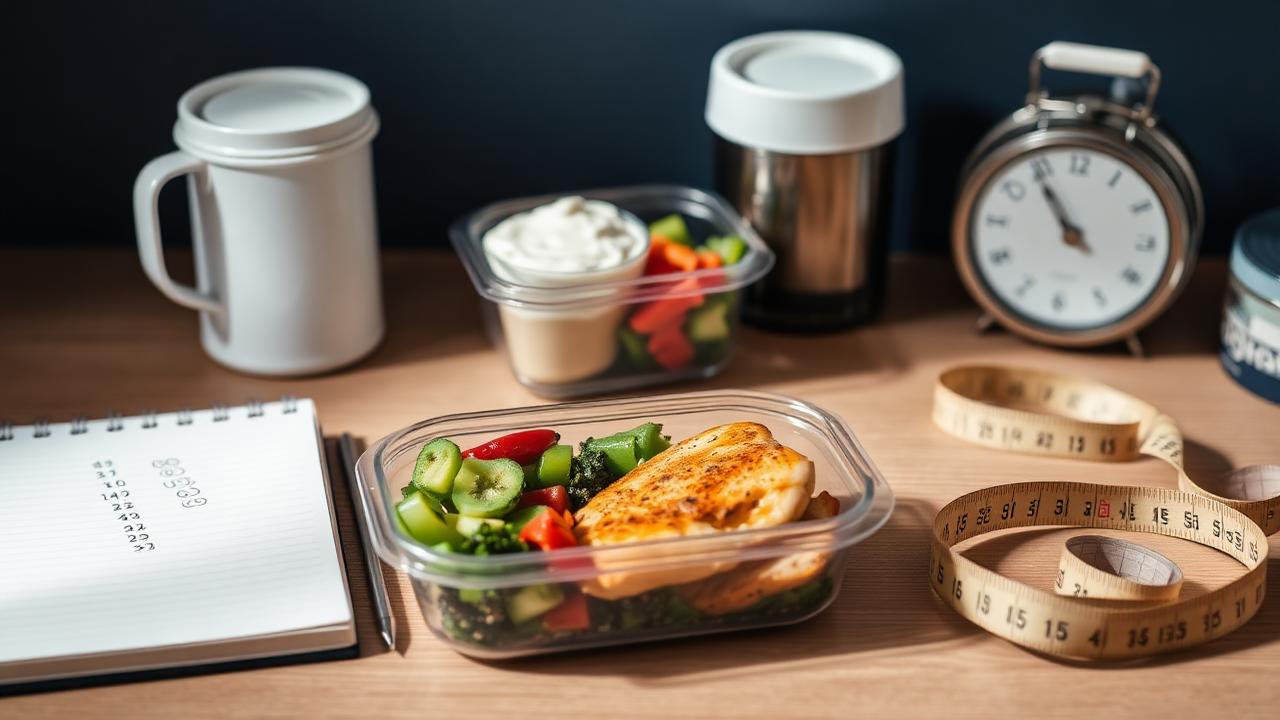
Quick answer: For a client on a GLP-1, prioritize protein at roughly 1.4–1.8 g per kg of goal body weight, keep the calorie deficit modest (15–20% below TDEE, not 30%), split intake into 3–4 small high-density feedings, and pair it with 2–4 resistance sessions a week. The medication handles appetite. Your job is composition of the weight that comes off.
Why GLP-1 clients need a different plan
GLP-1 receptor agonists slow gastric emptying and blunt hunger signaling. The practical effect is that clients frequently under-eat without trying — some drop to 800–1,100 kcal a day and don't notice until the scale is falling faster than it should and they can't get through a training session.
Traditional fat-loss coaching solves an adherence problem: the client wants to eat more than the plan allows. GLP-1 coaching solves a capacity problem: the client can't physically eat everything the plan asks for. That single inversion changes almost every design decision you make.
| Design decision | Standard fat-loss client | GLP-1 client |
|---|---|---|
| Main constraint | Hunger and adherence | Food volume tolerance |
| Deficit size | 20–25% below TDEE | 15–20% — the drug adds its own |
| Meal count | 3–6, coach's preference | 3–4 small, protein-first |
| Food choice bias | High-volume, filling foods | Nutrient-dense, low-volume foods |
| Primary risk | Plateau from overeating | Lean-mass loss from under-eating |
Set protein first, everything else second
Protein is the one macro you should treat as non-negotiable. A practical target is 1.4–1.8 g per kg of goal body weight (about 0.65–0.8 g per pound). Using goal weight rather than current weight keeps the number achievable for clients with a lot to lose — asking a 300 lb client for 240 g of protein on a suppressed appetite sets them up to fail on week one.
Then work backwards. Fill protein into 3–4 feedings of 25–40 g each, add fat to hit essential-fatty-acid and satiety needs, and let carbohydrate take whatever calories remain — weighted toward training days and the meal before a session.
- Protein: 1.4–1.8 g/kg goal weight, spread evenly
- Fat: 0.6–0.8 g/kg — keep it moderate; high-fat meals sit heavily when gastric emptying is slowed
- Carbs: the remainder, concentrated around training
- Fiber: ramp slowly — constipation is one of the most common complaints
The muscle-loss problem
Rapid weight loss without a protein and resistance-training stimulus costs lean tissue, and GLP-1 weight loss is often rapid. That matters beyond aesthetics: lean mass drives resting metabolic rate, so a client who loses 40 lb with a large lean-mass share ends up with a lower maintenance calorie level — and a harder job holding the result if they ever come off the medication.
The two levers a coach actually controls are protein intake and resistance training. Two to four full-body or upper/lower sessions per week, taken close to failure on compound movements, plus consistent protein, is the whole protocol. Cardio is optional; lifting isn't.
Track it: body weight trend weekly, waist and hip measurements monthly, and strength on 2–3 key lifts. If strength is falling while weight falls, protein or total calories are too low — not "the medication working."
Meal structure for a suppressed appetite
Volume is the enemy. A big salad that would fill a standard client for an hour becomes an unfinishable chore. Practical adjustments that work:
- Protein first, literally. Have the client eat the protein portion of each meal before anything else, so if they stop early they've banked the important part.
- Liquid calories count. A whey or Greek-yogurt shake often goes down when solid food won't — especially in the 24–48 hours after an injection.
- Smaller, denser plates. Lean beef, eggs, fish, cottage cheese, tofu, dense grains — skip the huge low-calorie fillers.
- Time around the dose. Appetite is usually lowest in the day or two after an injection and returns later in the week. Front-load the harder-to-hit meals into the higher-appetite days.
- Watch hydration and sodium. Low intake plus nausea makes dehydration common, and it looks a lot like fatigue.
Calorie floors and how to know you've gone too low
Calculate TDEE as you normally would, then apply a 15–20% deficit. The medication frequently pushes actual intake below the prescription anyway, so a steep planned deficit tends to compound into something extreme.
Escalate back to the prescribing clinician when you see: weight loss faster than roughly 1–1.5% of body weight per week over multiple weeks, strength dropping session over session, hair shedding, cold intolerance, cycle changes, or a client who simply cannot eat. Those are medical conversations, not coaching adjustments.
Staying in your scope of practice
You can program training and build meal plans around a prescribed medication. You cannot advise on dosing, titration schedules, whether to start or stop, or how to manage side effects pharmacologically. Get the client's clinician in the loop, document that the medication is prescribed and managed elsewhere, and keep your written guidance to food and training. Our guide on what personal trainers can legally advise on covers the boundary in more detail.
The maintenance phase most coaches skip
Appetite returns when a client tapers or stops. If the only thing holding intake down was the drug, weight comes back. The coaching value is in using the suppressed-appetite window to build habits that survive it: a protein floor the client can hit without thinking, a training routine they like, and a working knowledge of portion sizes at their new maintenance level.
Practically, that means reverse-dieting calories up in small increments as the dose tapers, holding protein constant, and keeping the resistance training completely unchanged.
Building GLP-1 plans faster
The hard part of GLP-1 plans is hitting a high protein target inside a small calorie budget and a small food volume — that's a constrained optimization problem, and doing it by hand in a spreadsheet takes hours. MacroFuel takes the client's stats, goal weight and protein target and builds a macro-accurate plan in under two minutes, with per-ingredient swaps so a client who can't face chicken on injection day can trade it for something that hits the same macros.
Build a GLP-1 client plan in two minutes
Use the new GLP-1 preset when you create a client: it automatically sets a 15% deficit and a protein-first macro split (1.6 g/kg goal weight). Then let MacroFuel fill the rest and send your client a live portal with swaps, logging, and a branded PDF.
Frequently asked questions
How much protein should a client on a GLP-1 eat?
Target 1.4–1.8 g per kg of goal body weight (roughly 0.65–0.8 g per lb), split across 3–4 small feedings. Total food volume is the limiting factor, so protein gets allocated before carbs and fat.
Do GLP-1 clients lose muscle?
Lean mass can make up a meaningful share of the weight lost when protein is low and no resistance training is happening. Adequate protein plus 2–4 lifting sessions per week is the main protective lever.
How many calories should a GLP-1 client eat?
Start from TDEE and apply a 15–20% deficit rather than the aggressive cut used in traditional dieting — the medication already suppresses intake, and stacking a steep deficit on top drives fatigue and lean-mass loss.
Can a nutrition coach work with clients on GLP-1 medications?
Yes — for food and training. Dosing, side-effect management and any medical decision belongs to the prescribing clinician. Coordinate rather than advise on the medication itself.
This article is educational and not medical advice. GLP-1 medications are prescription drugs; clients should follow their prescribing clinician's guidance on dosing, side effects, and nutrition requirements specific to their health history.