How to Create a Meal Plan for Clients in 5 Steps
Creating meal plans is one of the most valuable services a coach can offer — but it's also one of the most time-consuming. This guide shows you how to build professional, macro-balanced meal plans efficiently, whether you use software or build them manually.
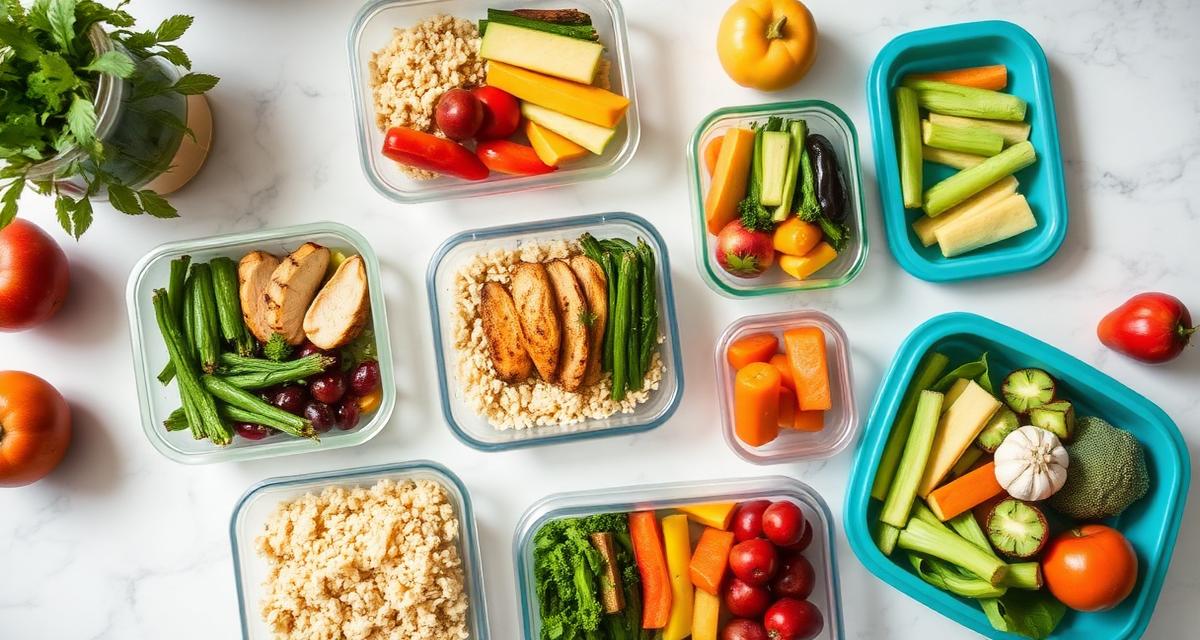
Why Meal Plans Matter for Client Results
Clients who receive a structured meal plan are significantly more likely to adhere to their nutrition targets. A well-designed plan removes decision fatigue — instead of wondering "what should I eat?", they follow a clear roadmap. For coaches, meal plans are also a revenue differentiator. Clients will pay more for a coach who delivers polished, personalized nutrition guidance.
Step 1: Gather Client Information
Before you build anything, you need data. At minimum, collect:
- Body metrics: Weight, height, age, gender
- Activity level: Sedentary, lightly active, moderately active, very active
- Goal: Fat loss, muscle gain, maintenance, contest prep
- Food preferences: Allergies, intolerances, dietary style (omnivore, vegan, etc.)
- Lifestyle factors: Meal frequency preference, cooking ability, budget
Use an intake form or questionnaire to capture this systematically. The more structured your intake process, the faster you can build plans.
Step 2: Calculate TDEE and Set Macro Targets
Total Daily Energy Expenditure (TDEE) is the foundation. Use the Mifflin-St Jeor equation to calculate Basal Metabolic Rate (BMR), then multiply by an activity factor:
- Males: BMR = 10 × weight(kg) + 6.25 × height(cm) − 5 × age − 5
- Females: BMR = 10 × weight(kg) + 6.25 × height(cm) − 5 × age − 161
Apply activity multipliers (1.2 for sedentary up to 1.9 for very active), then adjust for their goal:
- Cutting: TDEE − 300 to 500 calories
- Lean bulking: TDEE + 200 to 350 calories
- Maintenance: TDEE ± 0
Set macro targets based on the goal. For cutting, prioritize protein (1g/lb bodyweight). For bulking, prioritize carbs. For maintenance, balance all three. For deeper TDEE methodology, see our TDEE calculator guide, then use the AI Macro Calculator to calculate a client's targets.
Step 3: Select Foods and Build Meals
This is where most coaches lose time. You need to select foods that:
- Hit the macro targets when portioned correctly
- Match the client's preferences and restrictions
- Are practical to prepare and affordable
- Provide adequate micronutrient variety
Start with protein sources for each meal (chicken, fish, eggs, tofu), then add carb sources (rice, oats, potatoes, fruit), then fill remaining calories with fats (olive oil, avocado, nuts). Calculate portions to hit your targets.
Pro tip: This is where meal planning software for coaches saves hours. Instead of manually calculating portions, the Auto-Build engine fills every meal from a food database and portions everything to hit exact macro targets automatically.
Step 4: Add Variety and Alternatives
A meal plan with the same 3 meals every day gets abandoned within a week. Build in variety:
- Swap options: For each protein, carb, and fat source, list 2–3 alternatives with equivalent macros
- Meal timing flexibility: Let clients know meals can be rearranged
- Weekend flexibility: Include a "flex meal" slot where they can eat out within a calorie/macro range
Step 5: Package and Deliver Professionally
Presentation matters more than most coaches realize. A meal plan sent as a plain text email gets treated differently than a branded, designed PDF with your logo. Professional delivery:
- Increases perceived value (clients feel they're getting premium service)
- Improves adherence (clear formatting = easier to follow)
- Strengthens your brand (every plan is marketing for your business)
- Enables referrals (clients share impressive plans with friends)
Include a cover page with client name and macro targets, clear meal breakdowns with portions, a grocery list, and coaching notes. Export as a PDF for easy sharing across devices.
Common Mistakes to Avoid
- Over-restricting foods. Elimination diets reduce adherence. Include foods your client enjoys.
- Ignoring meal prep reality. A plan with 6 different proteins across 5 meals requires too much cooking. Keep it practical.
- Setting macros too aggressively. Start moderate. You can always tighten later.
- Not tracking adherence. Follow up weekly. Adjust the plan based on real-world feedback.
- Spending 2 hours per plan. Use templates and software to cut creation time to minutes, not hours.
How MacroFuel Streamlines This Entire Process
MacroFuel was built specifically to solve this problem for coaches. Max can generate the initial macro-matched meal-plan draft in under 2 minutes. After coach review, customization, and final delivery, most client-ready plans take minutes end to end — intake → TDEE calculation → macro targets → draft → PDF export. No spreadsheets, no manual portion math, no design work.
Build your first client-ready meal plan in minutes
14-day trial · No credit card required