AI Meal Planning Software for Coaches: How AI Is Changing Nutrition Coaching in 2026
Most nutrition coaches we talk to spend 60 to 90 minutes building each client's meal plan. They open a spreadsheet, pull from a recipe doc, hand-balance macros, paste it into a PDF template, and email it over. Then on Friday night the client texts: "I'm at a steakhouse — what do I order?" and the whole plan goes sideways.
This is the gap AI meal planning software is built to close. Not by replacing the coach — by extending them. The coach still owns the strategy, the relationship, and the accountability. The AI handles the repetitive build, the mid-week questions, and the in-the-moment guidance when the client is standing in front of a menu at 7pm on a Saturday.
In 2026, this is no longer experimental. Coaches who have integrated AI into their workflow spend far less time on plan admin — Summit Athletic Club cut plan creation from about 2.5 hours to 5–10 minutes and centralized 80+ client plans in MacroFuel. Coaches who haven't are still burning evenings on plan revisions. This guide explains what AI meal planning software actually does, what to look for, and where it changes the economics of a coaching business.
What is AI meal planning software?
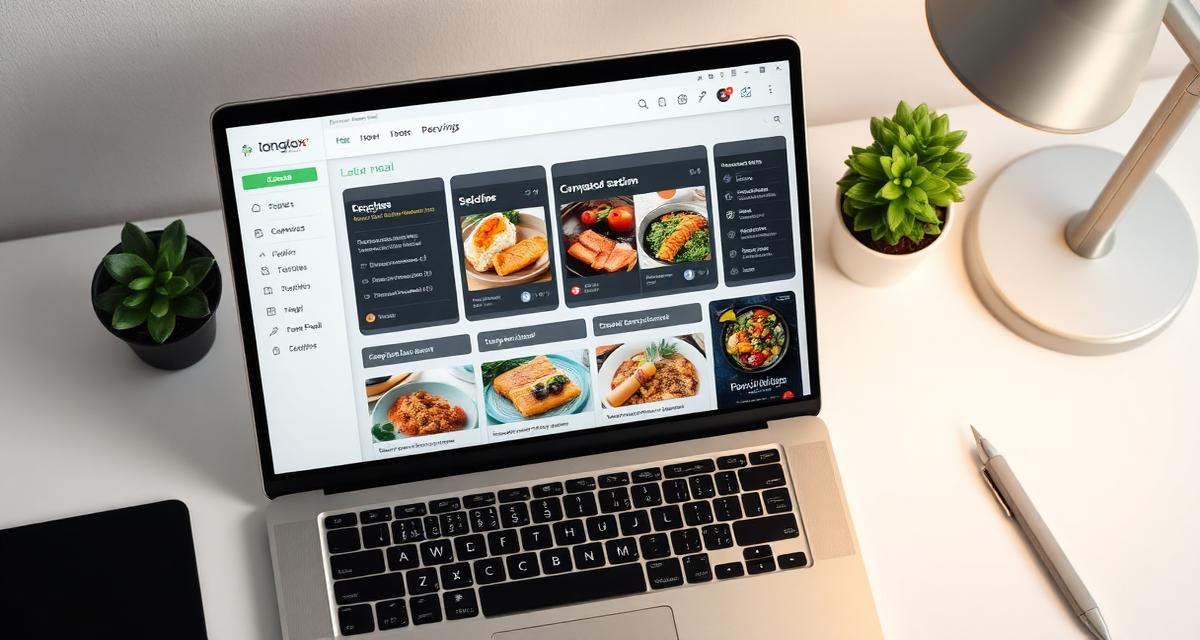
AI meal planning software is a tool that uses machine learning to build, modify, and explain meal plans tailored to a specific client — their macros, allergies, preferences, training schedule, and goals. The key word is specific. This is the difference between an AI that knows your client and one that doesn't.
It's worth distinguishing three things that often get lumped together:
- Generic meal planning apps (think MyFitnessPal, Eat This Much) — built for consumers, no coach workflow, no client-specific context.
- Generic AI chatbots (ChatGPT, Claude) — powerful general reasoning, but they don't know your client's actual plan, macros, or history. They hallucinate calorie counts and miss restrictions.
- Coach-grade AI meal planning software (MacroFuel, a few emerging tools) — the AI is grounded in the client's actual plan and macro targets. Every answer references real numbers from a real plan that the coach approved.
The last category is what changes the economics of coaching. Everything else is a productivity toy. For a broader landscape of the tools coaches are evaluating in 2026, see our best meal planning software for coaches review.
5 things AI meal planning software should do for a coach
Most "AI features" in nutrition tools are marketing veneer. Here's the practical checklist of what AI should actually deliver if it's going to pay for itself.
1. Build a complete custom meal plan in under 2 minutes
You enter the client's macros, dietary style, and meal count. The AI returns a full plan — breakfast, lunch, dinner, snacks — with portions that hit every macro target inside a tight 95–105% band. No manual portion fiddling. No "almost right, just bump the chicken." If the tool can't do this in 2 minutes, it isn't AI — it's a recipe randomizer.
2. Adjust plans on the fly based on client feedback
Client doesn't like salmon. Client is traveling and needs higher-carb breakfasts. Client got back from blood work and needs to drop saturated fat. The AI should let you (or the client) type a plain-English request and rebuild the affected meals in seconds, preserving the macro targets. Anything less is still a manual rebuild dressed up in nicer UI.
3. Answer client questions 24/7 with full plan context
This is the unlock. When a client opens their plan on their phone and asks "what can I swap the oatmeal for?", the AI knows their plan, their macros, their restrictions — and answers in 2 seconds with three real swaps. The coach doesn't see that message. They don't need to. Multiply this across 30 clients and you've reclaimed your evenings.
4. Provide restaurant guidance with specific menu items and macros
Real coaching happens in the wild. The client is at Chipotle, at Cheesecake Factory, at a hotel breakfast buffet in Austin. AI meal planning software with restaurant awareness can name specific items, estimate macros, and suggest the order that lands closest to the client's targets for the day. This is the difference between a plan that survives travel and a plan that dies on Friday night.
5. Free up coach time for actual coaching
The point of all of this isn't faster software. It's reallocating coach hours from data entry and food math to the things only a coach can do — strategy, accountability, motivation, problem-solving the messy human stuff. Coaches using AI tools well typically report 5+ hours back per week. That's a full day of coaching capacity, every week.
Real-world example: 32 AI interactions in a single day
A traveling client of one of our coaches was on the road across three cities in a week — restaurants, hotel rooms, airport food courts. In a single Saturday, this client used the AI assistant 32 times: looking up restaurant orders, swapping a missed meal, asking whether two beers fit into the day's macros, finding a higher-protein breakfast at the hotel, asking for a lower-sodium dinner because they were retaining water.
The coach was not pinged once. The client did not go off plan. By Monday, the coach saw the conversation log, the macro adherence chart, and a happy client. Without the AI, that's 32 text messages the coach would have either answered (losing a Saturday) or ignored (losing a client). With the AI, it's a non-event — and that's what scalable, high-retention coaching looks like in 2026.
This is the case for AI in coaching. Not "the AI does my job." It's "the AI does the parts of my job that don't need me, so I can do more of the parts that do." For a deeper take on why this isn't a threat, read why AI won't replace coaches.
What to look for when choosing AI meal planning software
Five non-negotiables when evaluating AI meal planning software for a real coaching business:
- Plan-specific AI, not generic. If the AI doesn't know the client's actual plan, macros, and restrictions, it's a chatbot — not a coaching tool. Ask for a live demo with a real plan loaded.
- Frictionless client access. No login walls, no app downloads, no passwords for the client to forget. The best implementations open from a single link or QR code. Friction kills adoption.
- White-label / branded experience. Your client should experience your brand answering, not the software vendor's. If the AI introduces itself with someone else's name and colors, you're handing your relationship to a third party.
- Built around real coach workflows. Macro targets, phase changes, refeed days, check-in adjustments, branded PDF export. If the AI can't operate inside how coaches actually work, it'll feel like a toy.
- Transparent macro math. You should be able to see exactly how the AI hit the macros — every food, every portion, every gram. No black boxes. You're the coach; you need to be able to verify and override.
MacroFuel was built around these five points. Explore AI meal planning for coaches or meet Max, the AI assistant that powers it.
The future of coaching with AI
The honest read on AI in coaching is this: it doesn't replace coaches, it raises the floor on what a single coach can deliver. The coach who used to manage 20 clients well can now manage 50 — same hours, better service, because the AI absorbs the repeatable load. The coach who tried to scale past 30 and burned out can now scale past 30 without burning out.
The coaches who adopt AI early in 2026 build a defensible practice: faster onboarding, better retention, lower cost per client, and a tech-forward brand that attracts the kind of clients willing to pay premium prices. The coaches who don't will be competing against AI-augmented coaches on price — which is a fight no one wins.
If you're still doing this the manual way, the ROI math is brutally simple: 5 hours a week back at even a modest hourly rate pays for any AI meal planning tool on the market 10x over. The question isn't whether AI belongs in nutrition coaching. It's how fast you integrate it before everyone else does. For coaches still on consumer tools, see our take on MyFitnessPal alternatives for trainers.
Frequently asked questions
What is AI meal planning software?
AI meal planning software uses machine learning to build, adjust, and explain custom meal plans based on a client's specific macros, dietary restrictions, and goals. The good ones go beyond generic recipe suggestions — they know the client's actual plan and answer plan-specific questions in real time.
Does AI replace nutrition coaches?
No. AI handles the repetitive parts — building the first draft, answering common questions, suggesting restaurant swaps — so coaches can focus on accountability, strategy, and the human side of behavior change. Coaches who add AI typically scale from 20 to 50+ clients without losing service quality.
How much time does AI save a nutrition coach?
Most coaches report saving 5+ hours per week. Building a meal plan drops from 60–90 minutes to under 2 minutes. Mid-week client questions ("can I eat at Chipotle?") get answered instantly by the AI instead of pinging the coach at 9pm.
Can AI actually hit exact macros?
Purpose-built AI can. MacroFuel's engine adjusts portions in 0.25-unit increments across iterative passes until every meal lands within 95–105% of the client's protein, carb, and fat targets. Generic AI chatbots like ChatGPT cannot — they hallucinate macros and don't know your client.
Is AI meal planning safe for clients?
When the AI works inside a coach-approved plan, yes. The risk comes from clients using consumer AI (ChatGPT, generic nutrition apps) that don't know their goals, restrictions, or medical context. Coach-led AI keeps a human in the loop and a real plan as the source of truth.