Best Meal Planning Software for Coaches in 2026 (Tested & Ranked)
The best meal planning software for coaches comes down to three things: how fast you can build a client-ready plan, whether it actually hits your client's macros, and what it costs once you're coaching 20+ clients. We ran MacroFuel, NutriAdmin, Foodzilla, My PT Hub, and Strongr Fastr through real coaching workflows and ranked them below.
Quick verdict: MacroFuel is the best macro-first choice for physique and nutrition coaches; NutriAdmin wins for clinical dietitians; My PT Hub suits all-in-one personal trainers; Foodzilla fits wearable-driven habit coaching; Strongr Fastr is the best budget option for solo coaches.
This is not a thin affiliate roundup. We'll be honest about where each tool falls down, including our own. If you're a nutrition coach, personal trainer, or dietitian evaluating meal plan software for your business, use the comparison table, coaching-style matcher, or FAQs to skip to the answer you need.
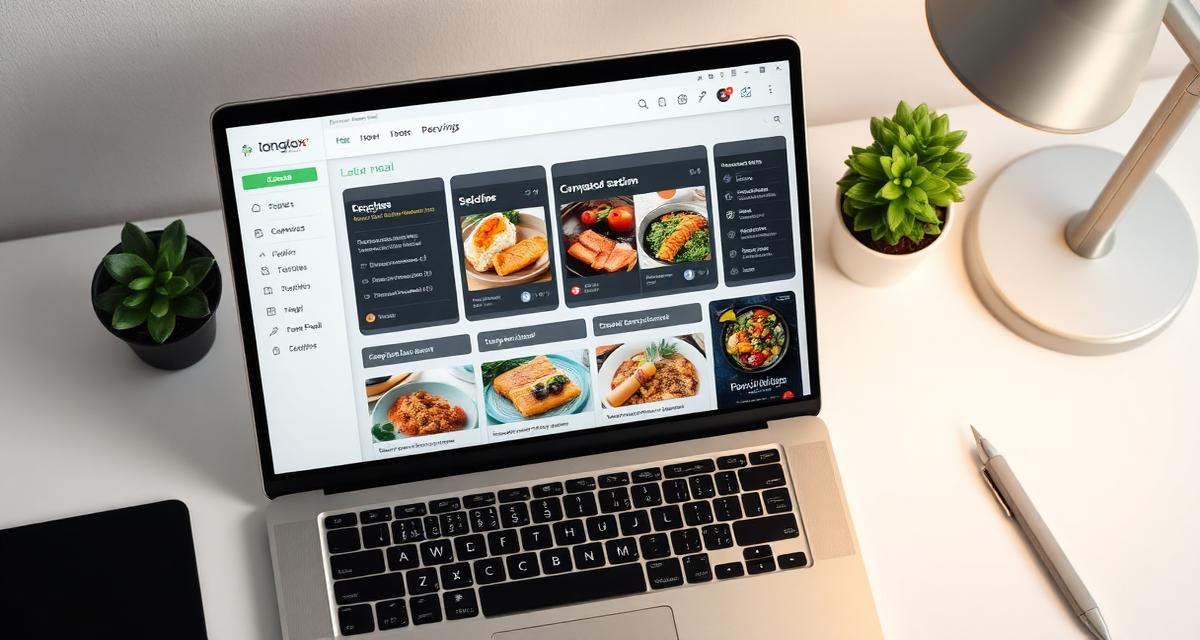
Meal plan software at a glance
| Tool | Best for | AI macro matching | Branded PDF | Free trial | From |
|---|---|---|---|---|---|
| NutriAdmin | Clinical dietitians | No | Yes | 14-day trial | $49/mo |
| Foodzilla | Wearable data | Partial | Yes | 14-day trial | $49/mo + client |
| My PT Hub | All-in-one PT | No | Limited | 14-day trial | $49/mo |
| Strongr Fastr | Solo, budget | Yes | No | 7-day trial | $14/mo |
| MacroFuel | Macro coaches | Yes (Max) | Yes | 14-day trial | View current MacroFuel pricing |
1. NutriAdmin — the clinical nutrition veteran
NutriAdmin has been around since 2016 and has built a massive feature set for nutrition professionals. With 4,000+ built-in recipes, 40+ diet types (including clinical and medical diets), appointment scheduling, and a client portal, it's one of the most comprehensive meal plan software platforms available.
Pros: Huge recipe database, mature and reliable, excellent for registered dietitians who need clinical features, meal plan generation in as fast as 60 seconds, built-in scheduling.
Cons: The interface feels dated compared to newer tools. It's built for clinical nutrition, not macro-based coaching — if you think in protein/carbs/fat rather than micronutrients and medical diets, it's more tool than you need. No AI meal suggestions.
Best for: Registered dietitians and clinical nutritionists who need medical diet support, comprehensive recipe libraries, and appointment management. See the full MacroFuel vs NutriAdmin comparison.
2. Foodzilla — feature-rich with wearable integration
Foodzilla stands out with its wearable integrations (Fitbit, Apple Health), AI-powered food photo logging, and a comprehensive client app with messaging. It's a modern platform that tries to cover the entire coaching workflow.
Pros: Wearable data tracking, AI food photo logging for client check-ins, live chat support, built-in client app with progress tracking, modern interface.
Cons: Per-client pricing on top of the base fee — your costs grow with every new client. Feature bloat can make it overwhelming for coaches who just want to build meal plans quickly. The broad feature set means less depth in any one area.
Best for: Coaches who want wearable data integration and are okay paying per-client fees. See the full MacroFuel vs Foodzilla comparison.
3. My PT Hub — the all-in-one PT platform
My PT Hub is a full personal training platform that includes workouts, nutrition, scheduling, and payment processing. Nutrition is one feature among many, with a 650,000-item food database and basic meal planning tools.
Pros: Everything in one platform — workouts, nutrition, scheduling, payments, client app. Massive food database (650K items). Good option if you want to consolidate your entire PT tech stack.
Cons: Nutrition features are a bolt-on, not the core product. No AI meal suggestions. Limited macro-specific features. If nutrition coaching is a serious revenue stream for you, the meal planning depth may not be sufficient.
Best for: PTs who want everything in one app and consider nutrition a secondary feature. See the full MacroFuel vs My PT Hub comparison.
4. Strongr Fastr — budget-friendly AI meal generation
Strongr Fastr offers AI-powered meal plan generation at a very low price point. It generates plans based on calorie and macro targets, handles dietary preferences, and includes a client-facing app. At $14/month, it's the most affordable meal plan software on this list.
Pros: Very affordable, good AI meal generation, handles multiple dietary styles, client app included, straightforward interface.
Cons: More consumer-focused than coach-focused. Limited branding options — you can't fully white-label the experience. Smaller coach community. Less depth in team management and professional features that serious coaching businesses need.
Best for: Solo coaches on a tight budget who want basic AI meal generation without premium features.
5. MacroFuel — macro-first with AI and no per-client billing
Full disclosure: this is our product. We'll be honest about where we fall short. MacroFuel is purpose-built for macro-based coaching with an AI assistant (Max) that generates meals matching exact macro targets, branded PDF export, carb cycling support, and tiered pricing with active clients included — no per-client billing. The same workflow also scales to weight-loss clinics and GLP-1 programs. Start a 14-day free trial — no credit card required. Plans start at $29/mo for five active clients.
Pros: AI assistant specifically designed for macro matching (lands within 95–105% of every target), branded white-label PDFs, carb cycling and phase templates for bodybuilding coaches, modern fast UI, no per-client billing (each plan includes active clients, and extra clients are $2–$4/mo), 14-day free trial.
Cons: We're newer than NutriAdmin and Foodzilla — our recipe database is smaller. No client-facing app (we deliver via PDF and a lightweight client portal). No wearable integrations. No appointment scheduling or payment processing. If you need a full-stack coaching platform, we're not it.
Best for: Personal trainers, macro coaches, and bodybuilding coaches who want fast, focused meal planning with AI assistance and professional branded output.
Meal plan software features that actually matter in 2026
Every vendor lists 40+ features on their pricing page. In practice, the coaches we've talked to use five of them daily and ignore the rest. If a tool nails these five, it's usually the right meal plan software for your business — even if it looks lighter on paper.
- Exact macro targeting. A plan that lands at 190g protein when the target is 200g is a plan you'll rebuild by hand. Look for tools that show a live 95–105% match indicator on every meal and every day.
- AI meal generation you trust. First-generation AI meal planners hallucinated ingredients and macros. 2026 tools ground suggestions in a real food database and let you regenerate a single meal without breaking the day.
- Branded, professional PDFs. Your PDF is the deliverable the client sees on the fridge. Custom colors, logo, cover page, and clean typography separate a $50/mo plan from a $500/mo coaching package.
- Searchable food database with custom foods. USDA + brand items + your own custom foods (client's protein powder, local restaurant items) all in one search.
- Predictable pricing. Mandatory per-client fees quietly turn a $49/mo tool into a $300/mo tool at 20 clients. Look for plans that include a block of active clients up front, with a small, transparent rate beyond it.
Which meal plan software fits your coaching style
The single fastest way to shortcut this decision is to match the tool to how you already coach, not the other way around.
| If you coach… | Start with | Why |
|---|---|---|
| Macro-based clients (physique, cut/bulk) | MacroFuel | Purpose-built for 95–105% macro matching, carb cycling, phase templates. |
| Clinical / medical nutrition | NutriAdmin | 40+ diet types, clinical recipes, appointment scheduling. |
| All-in-one PT (workouts + nutrition) | My PT Hub | One tool for workouts, meals, scheduling, payments. |
| Habit + wearable-first coaching | Foodzilla | Fitbit / Apple Health integration, AI photo food logging. |
| Solo / side-hustle, tight budget | Strongr Fastr | $14/mo entry point with basic AI plan generation. |
Real cost of meal plan software at 20 clients
Sticker price is misleading. Once you factor in per-client fees, add-on modules, and required upgrades, the "cheap" tool often isn't. Here's what each option actually costs a coach with 20 active clients:
| Tool | Base / mo | Per client | Cost @ 20 clients |
|---|---|---|---|
| Strongr Fastr | $14 | $0 | $14 |
| NutriAdmin | $49 | $0 | $49 |
| My PT Hub | $49 | $0 | $49 |
| Foodzilla | $49 | ~$5 | ~$149 |
| MacroFuel Solo | $59 (15 clients included) | $3 beyond 15 | $74 |
The takeaway isn't that cheaper is better — it's that per-client pricing punishes exactly the coaches who succeed. If you're planning to grow past 15 clients, run the math at your target roster size before you commit.
How to choose meal plan software
Most coaches over-evaluate features and under-evaluate workflow fit. The right meal plan software is the one whose default workflow matches yours — not the one with the longest feature list. Five questions that decide the fit:
- Do you coach by macros or by recipes? Macro coaches need exact targeting. Recipe coaches need a deep library. The two are not the same tool.
- How does the price scale? Mandatory per-client fees punish growth. Tiered plans that include active clients — with a low add-on rate beyond the included block — stay predictable as you scale.
- Branded delivery? If you charge premium prices, your meal plan PDF is your brand. Tools without proper branding controls erode that.
- All-in-one or best-in-class? All-in-one platforms (My PT Hub) consolidate your stack but go shallow. Best-in-class tools do one thing exceptionally well — pair with workout software like Trainerize.
- Free trial length? Trials force a decision in 7–14 days. A real free trial lets you onboard your first clients without committing.
Red flags to avoid
- No exact macro targeting. If the tool can't show you a 95–105% match against client targets, you'll do that math by hand forever.
- Hidden per-client fees. $39/mo + $5/client looks cheap until client #15.
- PDF export with vendor branding. Free trials often white-label, but paid plans sometimes still slap a logo on your client deliverables.
- No data export. If you can't get your client list and plans out as CSV, you're locked in.
Nutrition planning software vs. meal plan software: what's the difference?
The terms get used interchangeably, but they aren't the same product. Nutrition planning software is the broader category — it covers everything from clinical assessment tools that track 30+ micronutrients to habit-coaching platforms that never generate a single meal. Meal plan software is the narrower slice that actually produces a day-by-day plate of food a client can eat.
If your workflow is assess → recommend → follow up (typical for RDs and clinical settings), nutrition planning software like NutriAdmin is built for you. If your workflow is set macros → build the plan → deliver the PDF → adjust next week (typical for physique, performance, and general fitness coaches), meal plan software is what you want. Buying the wrong category is the single most common mistake we see — a clinical tool feels bloated to a physique coach, and a macro tool feels shallow to a dietitian.
| Capability | Nutrition planning software | Meal plan software (macro-first) |
|---|---|---|
| Primary output | Assessment reports, dietary recommendations | Full day-by-day meal plans in a PDF |
| Optimizes for | Micronutrients, clinical markers, allergens | Protein / carbs / fat within ±5% |
| Typical user | RDs, clinical nutritionists, hospital groups | PTs, physique coaches, online nutrition coaches |
| Client deliverable | Guidelines, food lists, education handouts | Branded meal plan the client cooks from |
Meal planning software for nutritionists & dietitians
Nutritionists and RDs have workflow needs coach-first tools often miss: SOAP notes, insurance-friendly documentation, clinical diet libraries (renal, low-FODMAP, diabetic, oncology), and allergen tagging that has to be right the first time. If any of those apply to your practice, prioritize NutriAdmin or a comparable clinical-grade tool — those are the categories where it clearly leads.
That said, many nutritionists in private practice run a hybrid model — clinical intake for the assessment, macro-based coaching for the plan. In that case, MacroFuel pairs well as the "delivery layer" on top of a clinical intake process: the assessment sets the targets, and MacroFuel builds the daily plate. Coaches on our Pro plan routinely run this stack.
A concrete example: a sports RD sees a triathlete client, sets 3,200 kcal / 210P / 400C / 90F based on training load, and hands the client a MacroFuel PDF that hits those targets across 5 meals with foods the client actually likes. The clinical work happens in the intake; the meal plan is the deliverable — and coaches consistently tell us the plan-building step is where they claw back the most hours.
Try the workflow yourself. Build a macro-matched plan for a sample client in minutes — no credit card, no lock-in.
The bottom line
There's no single "best" meal plan software — it depends on your coaching style, budget, and priorities. If you're a clinical dietitian, NutriAdmin is hard to beat. If you want everything in one app, My PT Hub consolidates your tech stack. If you want wearable data, Foodzilla has the edge. If budget is tight, Strongr Fastr delivers solid value. And if macro coaching is your bread and butter — especially if you work with bodybuilding or physique clients — MacroFuel is built specifically for your workflow.
Try the free trials where available. The best meal plan software is the one you'll actually use consistently.
Frequently asked questions
What is meal plan software?
Meal plan software is a tool that lets nutrition coaches, dietitians, and personal trainers build structured meal plans for clients — usually with a food database, macro/calorie targets, recipe library, and a way to deliver the plan as a PDF or in-app view. It replaces spreadsheets and saves coaches several hours per client per week.
How much does meal planning software cost for coaches?
Most coach-focused meal plan software costs $14 to $149 per month for a single coach. Strongr Fastr starts at $14/mo, NutriAdmin and My PT Hub are around $49/mo, and Foodzilla is $49/mo plus per-client fees. MacroFuel pricing: Starter $29/mo (1 coach, 5 active clients, extra clients $4/mo), Solo $59/mo (1 coach, 15 active clients, extra clients $3/mo), Pro $119/mo (3 coach seats, 50 active clients, extra clients $2/mo). Extra coach seats are $20/mo on every plan and archived clients never count. Gym / Team pricing is custom. Every plan starts with a 14-day free trial — no credit card required.
Can meal plan software hit exact macros?
Yes — but only if it is purpose-built for macros. Tools designed for clinical nutrition optimize for micronutrients and medical diets, not protein/carb/fat ratios. Macro-first software like MacroFuel uses an iterative algorithm that adjusts portions in 0.25-unit increments to land within 95–105% of every target. Generic recipe-database tools usually need manual portion tweaks.
Is there free meal plan software for personal trainers?
MacroFuel offers a 14-day free trial with no credit card required, including AI meal generation, branded PDF export, and macro tracking. Most other platforms only offer 7–14 day free trials. For anyone evaluating the workflow, the free trial is a real option.
What is the best meal plan software for bodybuilding coaches?
Bodybuilding coaches need three things most generic tools lack: exact macro matching, carb cycling/refeed support, and clean phase-based plan templates (cut, bulk, peak week). MacroFuel was built around this workflow. NutriAdmin and My PT Hub can be made to work but require workarounds.
Do I need separate software for workouts and meal plans?
It depends on your business. All-in-one platforms like My PT Hub include workout programming, but the nutrition module is shallower. Coaches who treat nutrition as a serious revenue stream usually run a dedicated meal plan tool (MacroFuel, NutriAdmin, Foodzilla) alongside a workout-first platform like Trainerize or TrueCoach. Most modern tools export PDFs that integrate cleanly into a Trainerize workflow.
What features matter most in meal plan software in 2026?
Coaches consistently rank five features above everything else: exact macro targeting (95–105% match on protein, carbs, and fat), AI meal generation, branded PDF export, a searchable food database with custom foods, and flat (not per-client) pricing. Anything else — wearables, scheduling, payments — is a nice-to-have that usually belongs in a separate best-in-class tool.
How long does it take to build a meal plan in modern software?
With AI-assisted tools, a full-day macro-matched plan takes 30–90 seconds to generate and 3–5 minutes to review and personalize. Manual tools (spreadsheets, generic recipe apps) take 30–60 minutes per client per week. That difference is why coaches with 15+ clients almost always switch to purpose-built meal plan software.
Which meal plan software integrates with Trainerize or TrueCoach?
None of the meal plan tools listed have a direct native Trainerize or TrueCoach API integration (Trainerize does not offer a public API). The standard workflow is: build the plan in MacroFuel (or your tool of choice), export a branded PDF, then upload the PDF to the client's Trainerize file section. This takes about 15 seconds per client and works reliably.
Create client-ready meal plans in minutes
14-day trial · No credit card required